Systems of human body Biology Diagrams Nervous System The nervous system consists of the brain, spinal cord, sensory organs, and all of the nerves that connect these organs with the rest of the body. Respiratory System The respiratory system provides oxygen to the body's cells while removing carbon dioxide, a waste product that can be lethal if allowed to accumulate.
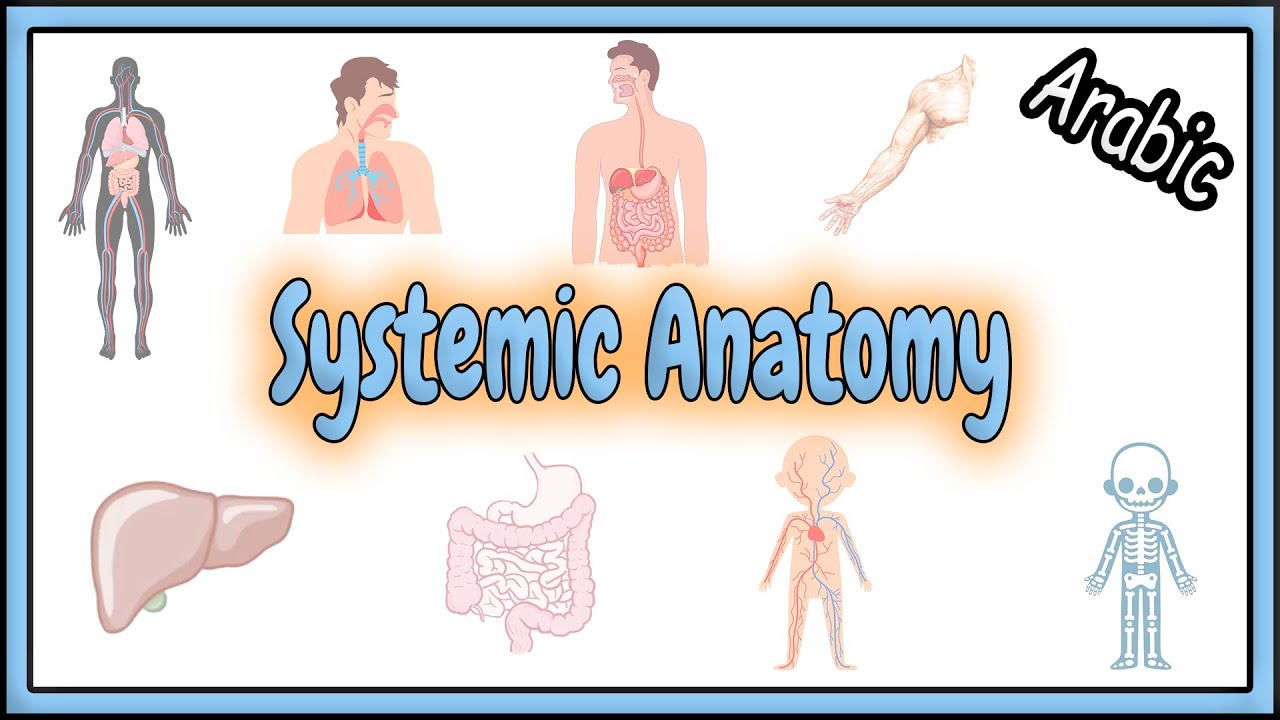
Systemic anatomy, the second branch of human anatomy, subdivides the body into discrete organ systems that work together towards a common goal or function. The ten systems are called integumentary , musculoskeletal (skeletal, muscular), nervous , endocrine , circulatory , respiratory , digestive , urinary , reproductive, and lymphatic.
Diagram, List, and Functions Biology Diagrams
The human body is a complex system of organs, tissues, and structures that work together to sustain life. Each organ has a specific location and function, contributing to processes like circulation, digestion, and respiration. Understanding this organization provides valuable insights into health, medical diagnostics, and treatment strategies. The human body is the physical substance of the human organism. Characteristic of the vertebrate form, the human body has an internal skeleton with a backbone, and, as with the mammalian form, it has hair and mammary glands. Learn more about the composition, form, and physical adaptations of the human body.
Here is a comprehensive list of the organs in the human body with their functions: Central Nervous System: Brain: Controls body functions and processes. Spinal Cord: Transmits signals between the brain and body. Circulatory System: Heart: Pumps blood throughout the body. Blood Vessels (arteries, veins, capillaries): Transport blood. Respiratory

Human anatomy: Definition and overview of the organs Biology Diagrams
Human body parts are categorized into different systems. For example, the skin and its appendages belong to the integumentary system, all structures involved in digestion to the digestive system, and all bones of the body to the skeletal system. In systemic anatomy, the systems are studied one by one (as opposed to regional anatomy). Compare:

